

Learn more about CBD
Increasingly popular, CBD raises a key question: what exactly is CBD used for? CBD, or cannabidiol, is a natural cannabinoid extracted from hemp, known for its calming properties. It is the most abundant non-psychoactive compound in the cannabis plant after THC.
Unlike THC (tetrahydrocannabinol), CBD does not produce any euphoric effects or alter consciousness. It works by interacting with the body’s endocannabinoid system, a network of receptors involved in regulating stress, sleep, mood, and pain.
The cannabis plant contains over 100 cannabinoids, but it is CBD that is currently attracting attention for its natural benefits. It is used to address various issues such as anxiety, insomnia, chronic pain, inflammation, and even certain neurological disorders like epilepsy.
The CBD products offered by Aïfé, made from Swiss hemp grown using traditional methods, allow you to benefit from the advantages of this molecule while respecting the legislation, with THC levels that comply with European standards.
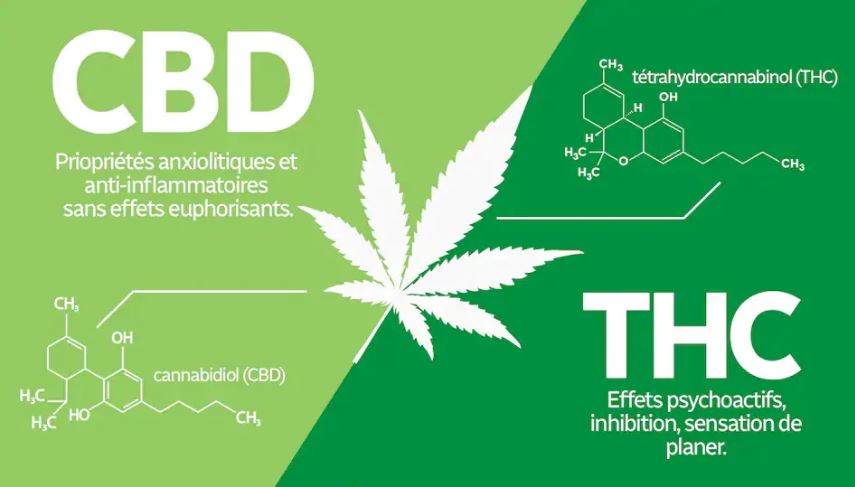
Don’t confuse THC and CBD
The effects of CBD on the body and mind
CBD (cannabidiol) interacts with the body’s endocannabinoid system, a network of receptors involved in regulating many vital functions: sleep, mood, pain, immunity, etc. Unlike THC, CBD is not psychoactive: it does not cause euphoria or addiction.
How CBD works in the body
The human body has a system called the endocannabinoid system, which helps regulate essential functions such as sleep, mood, pain, and the immune response. This system works thanks to two main types of receptors:
-
CB1 receptors, located in the brain and central nervous system
-
CB2 receptors, present in the immune system
Unlike THC, CBD does not bind directly to these receptors, but it influences them. For example, it can reduce the effects of THC by partially blocking CB1 receptors. It also helps to soothe inflammation by acting on CB2 receptors.
CBD also interacts with other important receptors in the body, such as:
-
Serotonin, which plays a role in mood and stress
-
Anandamide, a molecule linked to pleasure and pain management
-
Adenosine, involved in anti-inflammatory and relaxing effects
Thanks to all these interactions, CBD can promote a state of calm, reduce pain, and improve sleep quality, without psychoactive side effects.
Although research is still ongoing, numerous clinical studies and observations indicate that CBD could offer natural and non-invasive support for relieving certain disorders, in addition to a healthy lifestyle.
Note
CBD is not a medicine. The products offered by Aifé are in no way a substitute for medical treatment. They are intended for natural well-being, in compliance with European legislation (THC content <1%). ).
The different ways to consume CBD
CBD can be used in several ways, depending on preferences, lifestyle, and desired effects. Each method of consumption has its advantages: comfort, speed of action, or simplicity.
CBD Oil:
CBD oil is one of the most popular forms of CBD. It’s easy to dose and fits well into a wellness routine.
It’s often chosen for its calming potential, particularly for stress, sleep disorders, or physical discomfort.
CBD flower:
CBD flower can be used in infusions, vaporized, cooked, or even smoked.
It is valued for its natural properties and rich aromas.
Many people use it to relax, regain balance, or relieve tension.
CBD Pearls/Capsules:
Pearls or capsules offer a discreet and convenient way to consume CBD.
They allow for precise dosing, with no taste or preparation required.
They easily integrate into daily life, making them ideal for regular, hassle-free use.
CBD vaporizers:
Vaporizers allow you to inhale CBD in vapor form, without combustion.
These are generally convection vaporizers, which gently heat the flowers or extracts. It’s a simple and effective method, often chosen for its immediate effects.
CBD cosmetics:
CBD-based cosmetics, such as creams, balms, lotions, and oils, are applied directly to the skin.
CBD massage oils are often used to relax muscles or relieve localized pain.
Other, more soothing formulas can calm sensitive or irritated skin.
CBD edibles:
Edibles (candy, chocolate, chewing gum, etc.) offer a discreet and delicious alternative. They are often chosen to accompany moments of relaxation or to reduce daily stress.

What effects can CBD have on certain diseases and symptoms?
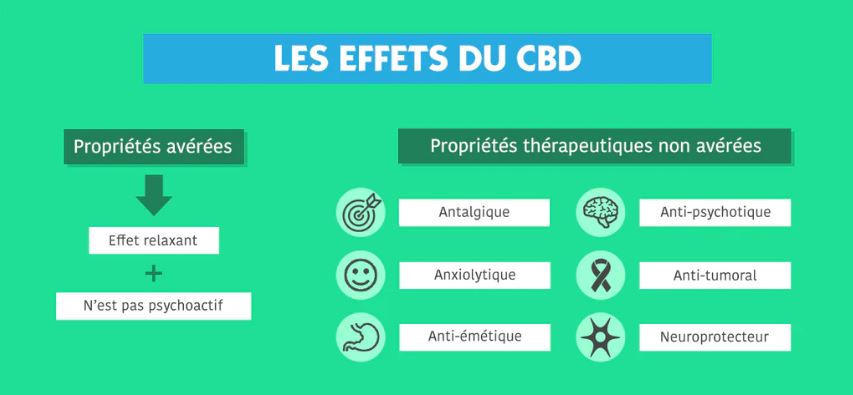
CBD (cannabidiol) is generating increasing interest due to its potential effects on several health conditions. Numerous studies are underway to evaluate its properties, but some indications suggest it could help manage certain symptoms, in conjunction with medical supervision.
It is important to remember that CBD is not a substitute for medical treatment and that any therapeutic use should be discussed with a healthcare professional. Many people use CBD for:
- Anxiety and stress: CBD is often studied for its calming effects. It may act on receptors linked to serotonin and adenosine, helping to reduce feelings of anxiety, stress, or panic attacks.
- Chronic pain and inflammation: Cannabidiol has anti-inflammatory and analgesic properties. It could help relieve pain associated with conditions such as osteoarthritis, fibromyalgia, or certain digestive inflammations (such as in Crohn’s disease).
- Sleep disorders: By promoting relaxation, CBD could help improve sleep quality and reduce disorders such as insomnia, without causing excessive drowsiness.
- Epilepsy: CBD is one of the few cannabinoids approved in some countries for treating certain forms of treatment-resistant epilepsy, such as Dravet syndrome or Lennox-Gastaut syndrome. This remains a strictly regulated medical indication.
- Nausea and side effects of chemotherapy: Studies suggest that CBD may reduce nausea and vomiting, particularly in patients undergoing chemotherapy. These effects are still being studied, but they are already considered promising.
- Neurological disorders: Thanks to its neuroprotective effects, CBD is being studied in the context of neurodegenerative diseases such as Parkinson’s disease, Alzheimer’s disease, or multiple sclerosis.. It could help protect nerve cells and slow down degeneration.
- Schizophrenia and psychotic disorders: Unlike THC, CBD does not produce psychotropic effects and may even play a regulatory role in certain psychiatric disorders, particularly due to its potential antipsychotic effects. However, this type of use must remain strictly medical.
- Addiction and withdrawal: CBD may help alleviate some symptoms related to withdrawal from substances such as tobacco, opiates or alcohol, by reducing cravings and anxiety associated with withdrawal.
- Cancer: Some preliminary research is investigating the effect of CBD on tumor cell growth. Although these results are still exploratory, they pave the way for further studies.
- Diabetes: CBD is also being studied for its potential to regulate metabolism and reduce inflammation, two factors involved in the development of type 2 diabetes.
LEGALITY OF CBD IN SWITZERLAND
Since 2017, CBD has been legal in Switzerland provided that the THC content is less than 1%. This allows the sale of numerous products such as oils, capsules, creams, and dried flowers.
CBD products are available in specialty stores, online, and sometimes even in supermarkets. Swiss law imposes strict regulations to guarantee consumer safety and prevent any confusion with cannabis.
This regulation has also fostered the development of Swiss companies specializing in CBD, which emphasize local quality.
Please note: the legality of CBD varies from country to country. Remember to check local regulations before buying or transporting CBD outside of Switzerland.