
Hemp through the ages: a plant with a thousand uses
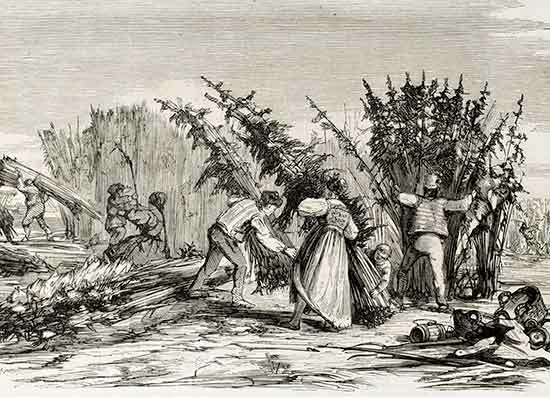
For millennia, hemp cultivation has been intertwined with human history. Cultivated in China as early as 2800 BC, it was already used to make strong textiles, marine ropes, and paper. In ancient Egypt, it was used for its strong fibers, but also in certain medicinal preparations. Over the centuries, hemp has established itself as a versatile resource:
-
Textiles: clothing, sailcloth and ropes.
-
Construction: hemp shives for hempcrete, ecological insulation.
-
Traditional medicine: leaf infusion, therapeutic oils.

Anecdote: In 1492, when Christopher Columbus set sail for the New World, his sails and ropes were made of hemp. Without this robust and weather-resistant plant, the Atlantic crossing would undoubtedly have been much more perilous.
Hemp also had its place in daily life: its seeds fed people in the form of flour or roasted, while its oil was used for domestic lighting before the arrival of petroleum. Its value was such that, in some regions of Europe, it could even be used as currency or as a form of tax.
Textile hemp and its fibers
In Switzerland, the hemp industry, which cultivates hemp for its fibers, remains marginal, unlike in France and Germany, which have revived this crop in recent years. Yet, hemp fiber is of exceptional quality.
The fiber is found in the plant’s stem. To obtain long, strong fiber, a dense crop with long stems is necessary. After harvesting, the stems are left in the field for two to three weeks and regularly turned: this is the retting phase. The action of rain and sunlight breaks down the pectins that bind the fibers together.
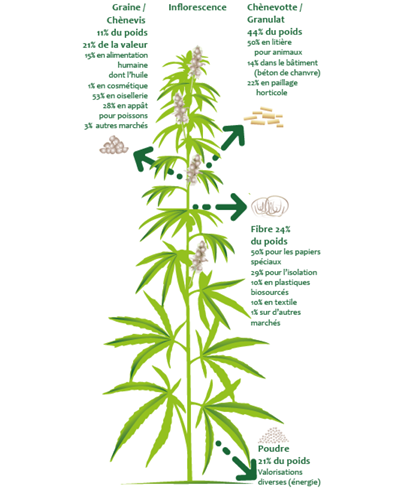
Once the tow is separated from the hurd (woody part), the hemp fiber can be used for:
-
Textiles: ropes, clothing, strings, paper, molds for the automotive industry.
-
Hemp shives: ecological insulation in buildings or formerly used as bedding.
Hemp in Switzerland: a crop of excellence
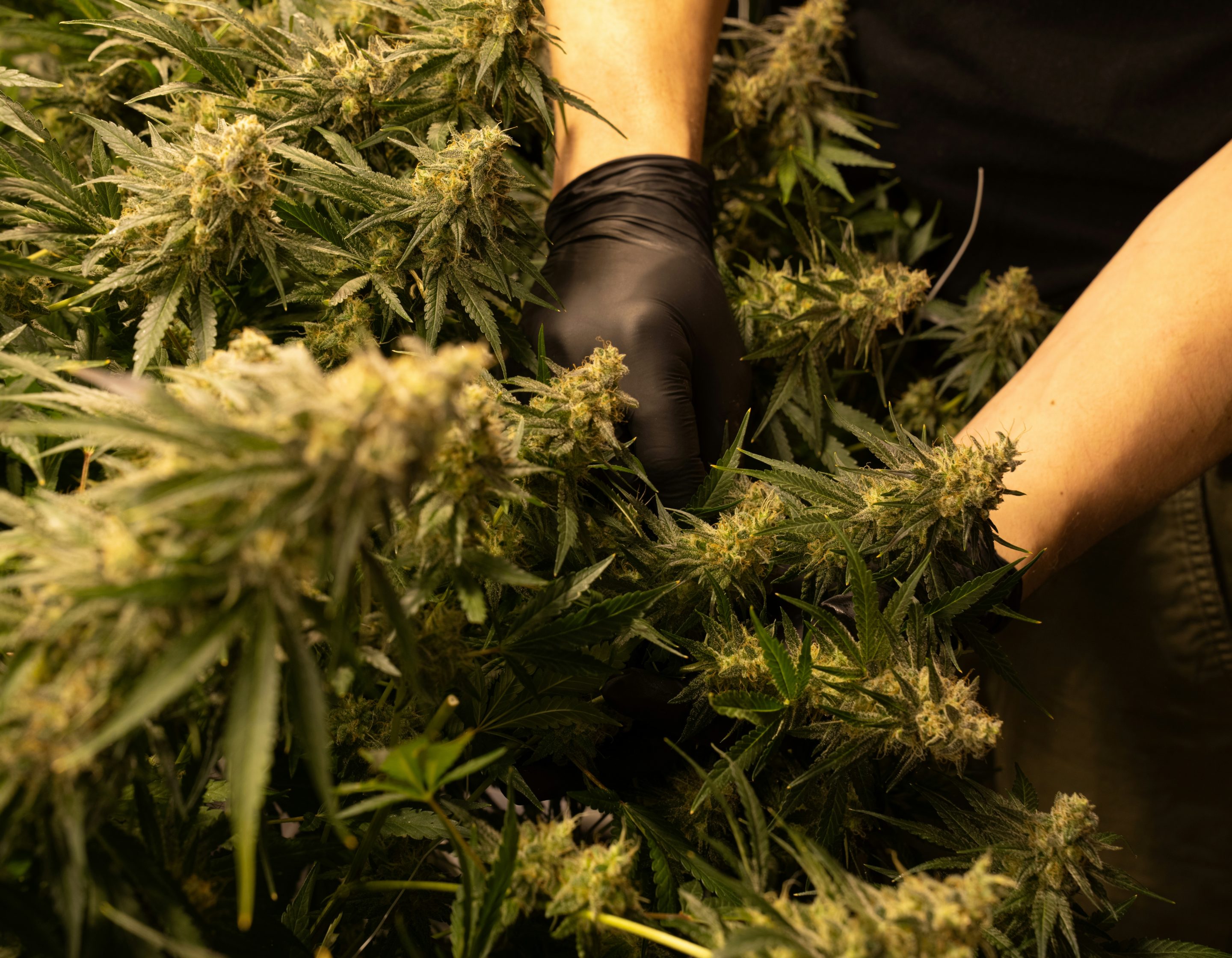
Switzerland has established itself as a prime location for hemp cultivation, particularly in the CBD and wellness sector. Thanks to strict agricultural standards and recognized expertise, the country produces high-quality plants.
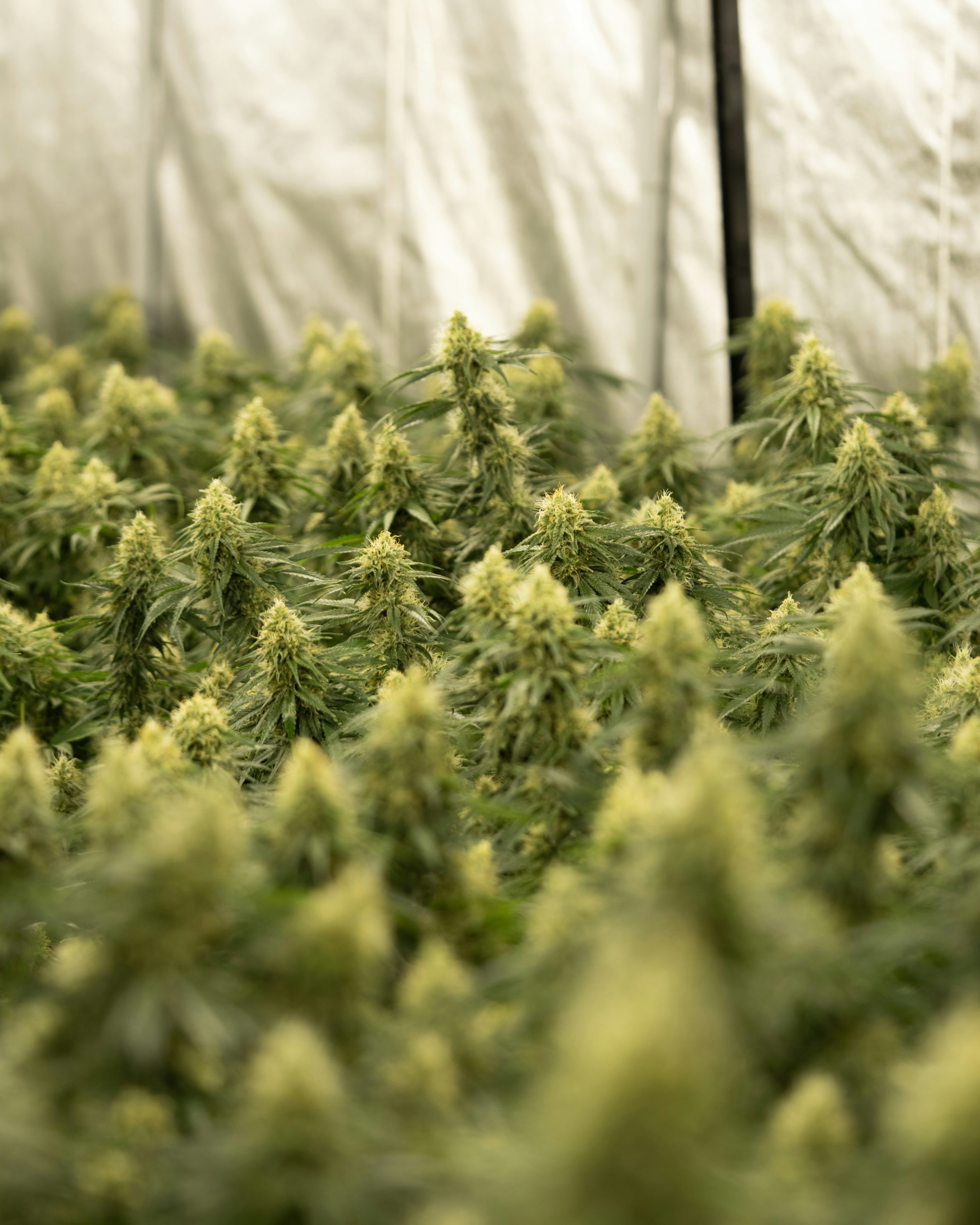
At Aifé, we work with controlled indoor growing methods, guaranteeing:
-
a healthy plant, rich in active ingredients
-
respect for the environment,
-
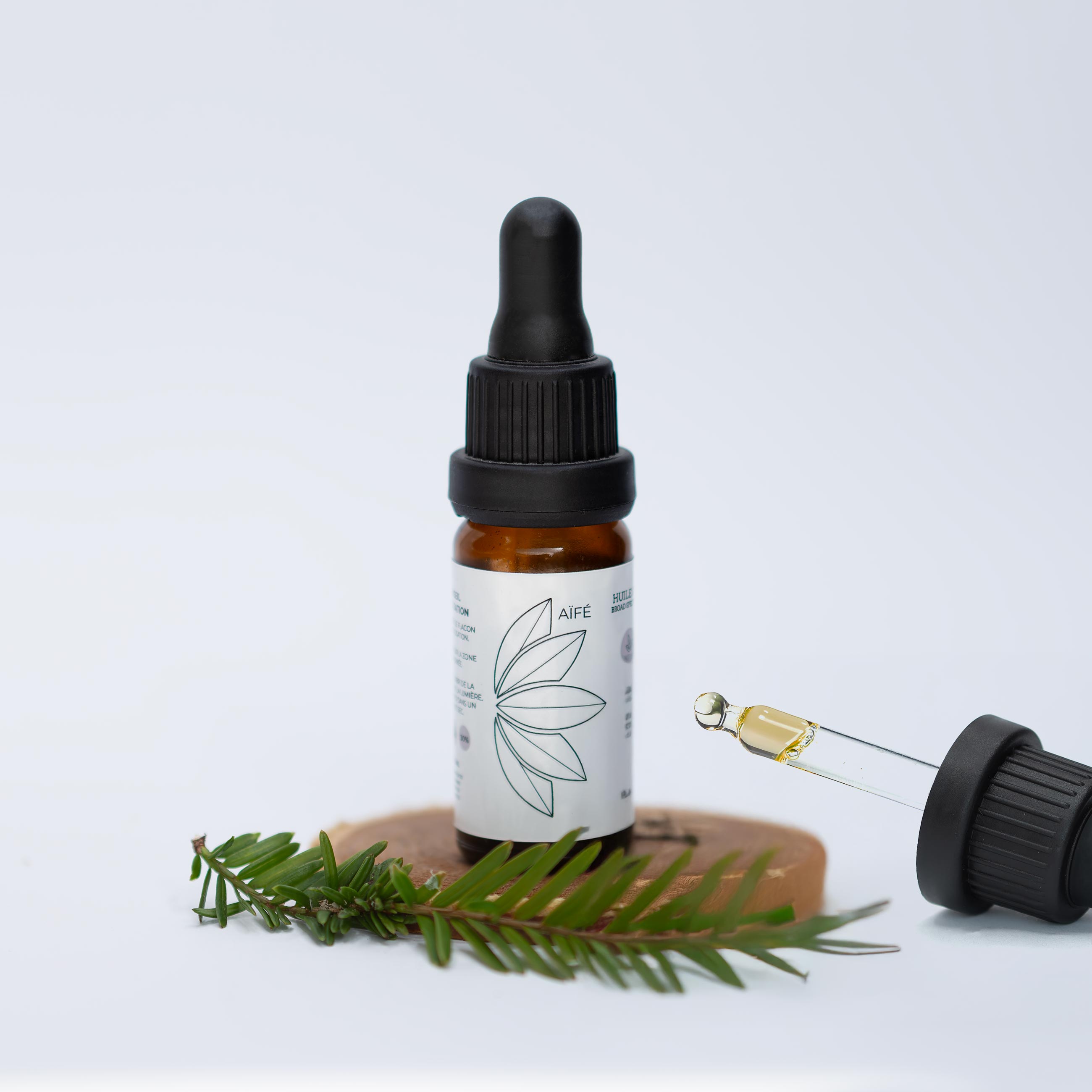
full traceability for our oils and derived products.
Although Switzerland does not focus on textile hemp, it excels in wellness products linked to the plant’s millennia-old heritage.
Hemp, a plant geared towards the future
Today, hemp continues to amaze with its versatility and its role in the ecological transition.:
-
Sustainable construction: hempcrete, natural insulation.
-
Wellness: oils, cosmetics, infusions.
-
Food: protein and omega-rich seeds, flour, oil.
-
Innovative industry: bio-based plastics, automotive parts.
Hemp is therefore not just a plant of the past. It is a living heritage, a link between tradition and innovation, and a key resource for building a more sustainable future.